Commercial Waste Removal in Holborn
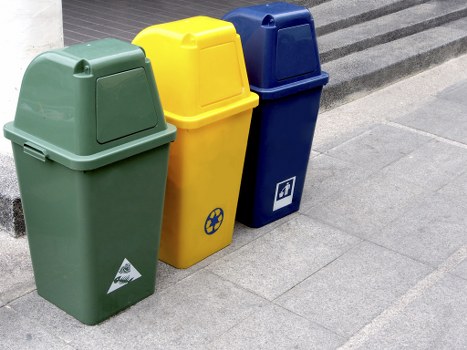
Commercial waste removal in Holborn needs a service that fits active premises, mixed waste streams and the practical limits of central London access. We handle routine and one-off clearances for offices, retail units, hospitality venues and other workplaces that need waste taken away with minimal disruption. The focus is on safe, organised removal of commercial waste, with sensible sorting and careful handling from the first lift to the final load.
Our work can cover general rubbish, bulky items, office contents, shop fittings, packaged recyclables and other non-domestic waste that builds up during trading, relocations or refurbishments. If you need a straightforward route to clearing space without turning the job into a major project, we can help you keep it practical. Tell us what needs removing, and we can discuss the most suitable approach before you go ahead.
For a clear quotation, use the details on this site and choose the page that matches your next step. If you already know the type of waste involved, that helps us focus on the right collection method and the most appropriate disposal route. Start with the items, the access, and the timing, then request a quote when you are ready.
Commercial waste collections for day-to-day operations
Business premises often need waste removed around trading hours, staff movements and customer access, so the job has to stay controlled. We deal with accumulated bags, broken fixtures, cardboard, packaging, display materials and similar commercial waste that cannot simply be left in the way. The aim is to clear the area efficiently while keeping the site usable for work, deliveries or appointments.
For premises that produce steady waste rather than a single end-of-tenancy load, the service is best planned around the kind of material involved. Mixed waste may need sorting so that reusable or recyclable items are kept separate where possible, while heavier or awkward objects are loaded with care. That makes the collection more orderly and helps avoid unnecessary handling inside busy work areas.
When arranging a commercial waste removal, it helps to group items by type and note anything that may need extra attention. Use this quick checklist as a practical starting point:
- loose rubbish, sacks and packaging
- bulky furniture or fixtures
- electricals and IT-related items
- paper, cardboard and office clutter
- items needing careful access or lifting
Office clearance and workroom clear-outs
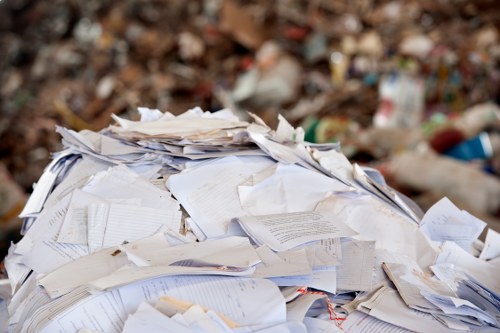
Office clearance usually involves more than just removing visible waste. Desks, chairs, shelving, filing, monitors and mixed contents may all need sorting before anything leaves the building. We can support clear-outs where you want rooms returned to an empty, workable condition, whether the task follows a move, a reconfiguration or a reduction in unused equipment. The service is designed to keep the process orderly from start to finish.
Where office items are mixed with general waste, it is sensible to separate what is being kept, what can be reused and what is due for disposal. That is especially useful in rooms containing paper stock, cables, archived folders and broken furniture. It also makes it easier to identify heavier items that need more careful lifting or dismantling before removal. A tidy approach reduces confusion and helps the collection proceed in a straight line.
Office clearance can be the right fit when the job is broader than taking away a few bags. If you need to clear individual pieces as well as accumulated clutter, our team can look at the scope and discuss the most practical sequence. For a commercial move or office reset, clarity at the start keeps the rest of the process simple.
Bulky item and furniture disposal
Some commercial jobs are dominated by a few large objects rather than a full load of loose waste. Reception seating, conference furniture, desks, storage units and shop fittings can all require careful removal because of their size, weight or shape. We handle furniture disposal where the priority is to take away substantial items without creating unnecessary disruption to the premises or circulation space.
Bulky items often need more than a straightforward carry-out. They may need to be moved through narrow corridors, lifted around corners or taken apart into manageable sections. If items are damaged, unstable or awkwardly placed, the collection plan should reflect that from the outset. Good preparation means fewer delays on the day and a cleaner result once the items are gone.
Furniture disposal is useful when commercial furniture has reached the end of its use and should be cleared as part of an office or premises refresh. If your space also contains cabinets, shelving or similar equipment, it can make sense to deal with them together rather than in separate visits. The key is to match the removal method to the items, not the other way round.
Working around access, lifting and on-site conditions

Commercial waste removal in Holborn can involve tight entrances, shared corridors, lift restrictions or timed access points, so the method matters. A collection is easier when access arrangements are understood in advance, especially in busy buildings where there may be reception controls, loading limits or designated routes. We keep the work focused on practical removal rather than creating avoidable disturbance in the building.
Some premises produce waste that is easy to gather but awkward to move because of layout or weight. In those cases, the collection plan should account for stair access, turning space, parking limitations and the shape of the items themselves. If there are fragile surfaces, narrow doorways or areas that must stay clear during trading, those details can be factored into the approach so the clearance remains controlled and efficient.
Business waste removal is often the broader term that covers these access issues and the different kinds of waste produced by workplaces. It suits customers who want a practical service for mixed commercial loads without having to turn the job into a series of separate collections. A sensible plan saves time on site and keeps the clearance aligned with the premises.
Specialist waste streams and careful disposal choices
Some commercial clearances include items that need a more considered route than general rubbish. Fridges, appliances, confidential paperwork, mattresses, sofas or other specific materials may call for a separate handling decision before they are removed. We offer services that deal with these kinds of items in a way that keeps the collection organised and allows the waste to be sorted appropriately.
Where waste has special handling needs, it helps to identify it before collection rather than after the team arrives. That may include items with mixed materials, awkward contents or components that need to be set aside from the main load. Clear identification makes the disposal process smoother and reduces the risk of sorting delays. It also helps you choose the right service for the right kind of item.
Fridge and appliance removal is suitable when businesses need larger electrical or cooling equipment taken away, while confidential shredding is relevant where records need secure handling before disposal. For mixed items of furniture, mattress and sofa disposal may be the more direct option. Matching the waste to the correct route keeps the job clearer and more manageable.
About Holborn
Holborn sits in central London between the West End and the City, and its character reflects that position. The area is shaped by a dense mix of historic streets, legal institutions, offices, hotels, theatres and long-established routes that have carried movement across the centre of the capital for centuries. Holborn has strong associations with the law because of its proximity to the Inns of Court and related professional quarters, while nearby streets also connect to broader cultural and commercial activity. The area’s streetscape includes a blend of older buildings and later redevelopment, which gives it a varied architectural texture rather than a single uniform style. Holborn Circus marks one of the best-known junctions in the district, and the nearby transport links tie it closely to the wider boroughs around it. To the north and west, Bloomsbury and the legal quarter shape much of the surrounding context, while to the south the streets begin to flow towards Fleet Street and the City. The district is also close to museums, squares and public spaces that contribute to its daytime rhythm. Russell Square, Lincoln’s Inn Fields and the British Museum are all within the wider local frame, though each belongs to a slightly different part of central London life. That mix of institutions, open spaces, transport connections and older urban layers helps explain why Holborn is often described as both practical and historically resonant, with a strong sense of continuity in the middle of a changing city.
Shop, hospitality and venue clearances
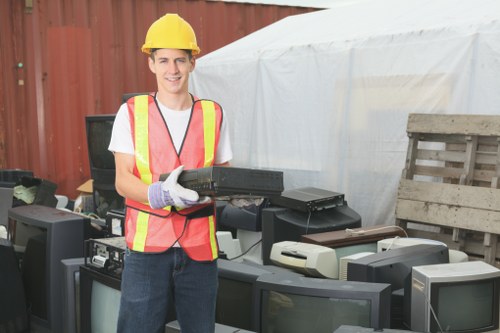
Retail and hospitality sites often produce a different type of commercial waste from offices. Shelving, packaging, display units, back-of-house clutter, kitchen-related items and worn furniture can all accumulate as businesses change stock, update layouts or prepare for refurbishment. We handle these collections with attention to the working environment, so the removal supports the premises rather than interrupting it.
Where customer-facing spaces are involved, the main concern is usually keeping routes clear and avoiding unnecessary disturbance. It may be better to remove items in a planned sequence, especially if stock rooms, counter areas or service corridors are still in use. If a venue has redundant fixtures as well as general waste, a tidy removal plan can make a noticeable difference to how quickly the space becomes usable again.
Builders waste clearance can be relevant where a fit-out or small refurbishment has left mixed debris alongside discarded fittings. For premises that need broader emptying, home clearance and house clearance are not commercial routes, so the best fit remains a workplace or business waste service tailored to the site. If you are planning a venue reset, it is worth choosing the most precise collection type rather than forcing everything into a general category.
Pricing, access and quotation details
Commercial waste removal is usually priced according to the volume, type and handling requirements of the material, together with the access needed to take it away. A load made up of light packaging is different from one containing heavy furniture or awkward equipment, and that difference affects how the work is planned. Clear information at the start helps produce a quotation that reflects the real task rather than a rough guess.
The most helpful details are the kind of waste, the approximate amount, the floor or access conditions, and whether any items need dismantling or special handling. You do not need to write a long description, but a concise summary is useful. If the collection is part of a larger move, refurb or de-clutter, mention that too so the service can be matched to the wider plan without confusion or unnecessary back-and-forth.
For a simple next step, visit pricing and quotes when you want to compare the practical factors that shape a commercial collection. You can also request a quotation once you have the main details ready. If you prefer to sort the job later, that is fine too — the key is to have a clear starting point when you do proceed.
Recycling, sorting and responsible disposal

Commercial waste removal should not stop at lifting items away. Sorting the load properly matters because business waste can include recyclable materials, reusable fixtures and items that require different handling. We aim to keep the process organised so that the waste collected from your premises is dealt with in a sensible and responsible way, according to the type of material involved.
Cardboard, paper, metals and some furniture components may be separated where practical, while mixed or damaged items are assessed as part of the overall collection. This is especially useful in offices, shops and venues where waste streams overlap. A measured approach helps avoid unnecessary mixing and supports a better disposal route for the materials that can be directed away from general waste.
Recycling and sustainability explains more about how responsible sorting is approached, while waste removal is useful if you want the broader service overview before choosing a specific clearance page. If you are ready to move forward, keep the job details brief and practical, then ask for a quotation when it suits you. We are ready to help you clear the waste and get the space back under control.
Other useful service pages
Depending on the type of commercial waste you have, there may be a more specific page that matches your needs better than a general clearance route. For example, a premises with stored items might need garage clearance or loft clearance style support if the waste is concentrated in a storage area, while premises that have accumulated mixed contents can sometimes be approached through a more complete emptying service. The useful choice is the one that reflects the actual load, not just the closest-sounding phrase.
If the waste includes furniture, appliances or a broader range of items, there are several service pages that may help you narrow the task. Furniture clearance can suit mixed bulky items, while flat clearance and fridge and appliance removal become relevant when the waste is more particular. A careful match between the service page and the material involved makes the next step clearer and avoids unnecessary complexity.
Before you request a quotation, it is usually enough to note the type of waste, the amount, the access and any items that need special handling. That keeps the enquiry focused without overcomplicating it. For a final step, book online if that is the most convenient route, or simply send the details through the contact page and let us know what you need cleared.